
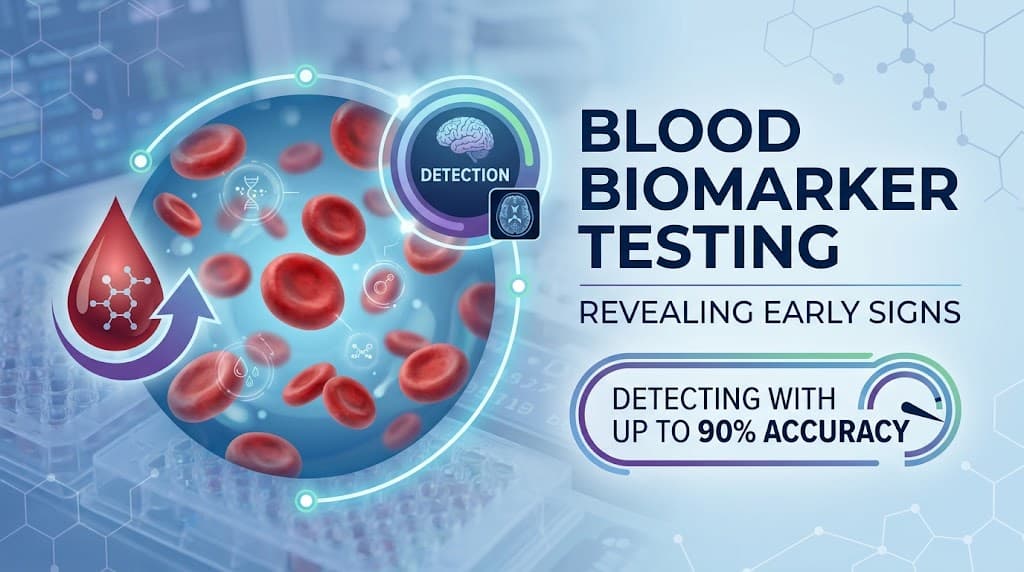
A New Era in Alzheimer’s Diagnostics Through Blood Testing
A major milestone has been reached in neurological diagnostics. Clinical studies demonstrate that analyzing blood samples from patients reporting memory loss or cognitive issues can detect Alzheimer’s disease pathology with **approximately 90% accuracy**.
What Does "90% Accuracy" Mean and Why Is It Revolutionary?
- Eliminating Invasive Procedures: Previously, confirming an Alzheimer’s diagnosis required expensive and complex procedures such as brain PET scans or lumbar punctures (spinal taps). Now, a simple venous blood draw is sufficient.
- The Role of p-tau217 Biomarkers: The test measures specific target proteins—such as p-tau217—which act as reliable indicators of brain changes associated with the disease long before severe symptoms manifest.
- Proactive Early Intervention: Identifying the condition at its earliest stages gives clinicians and patients a critical window to initiate appropriate care plans and slow disease progression.
Integrating this biomarker test into routine clinical practice promises to streamline diagnostics, making them far more accessible for patients and primary care physicians alike.